

This site contains affiliate links. I may earn a small commission, at no extra cost to you. Read my Full Affiliate Disclosure
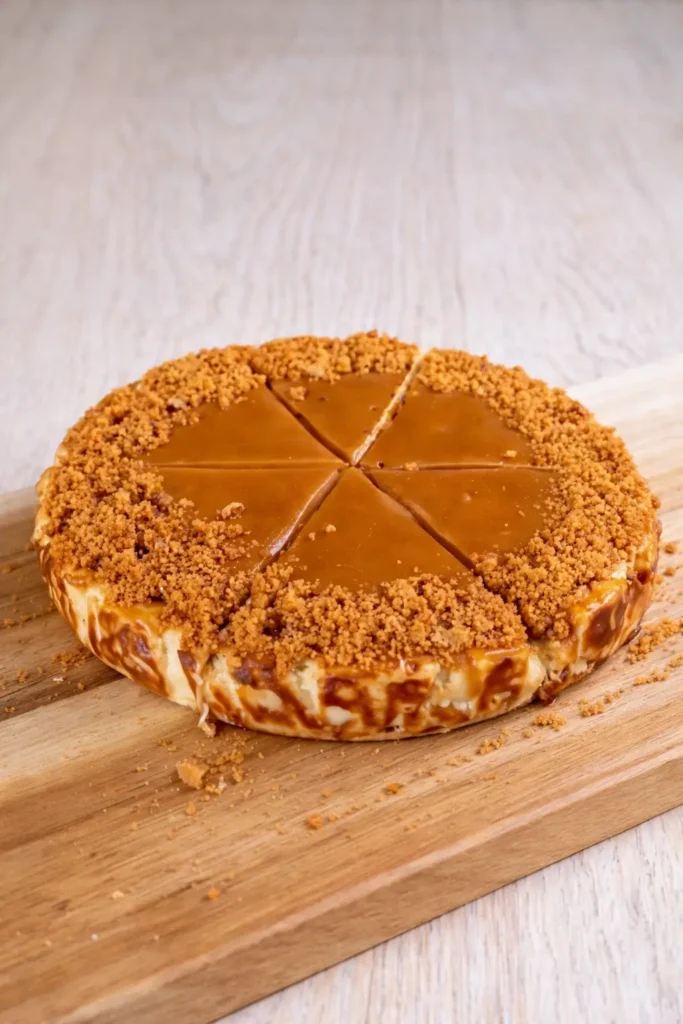
Creamy, rich, and lightly spiced with that signature Biscoff flavor, this high protein Biscoff cheesecake is smooth, satisfying, and surprisingly easy to make.
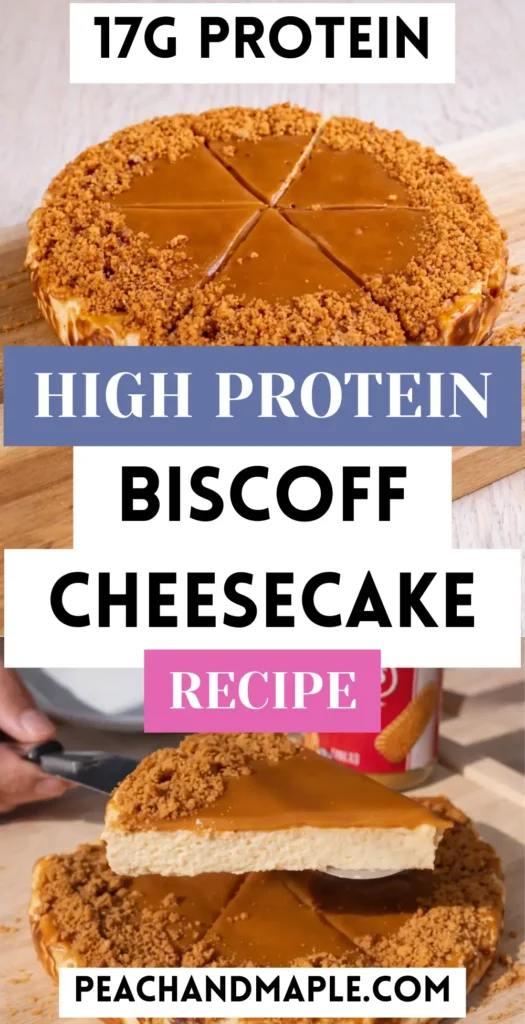
The Internet has been obsessed with the biscoff recipe trend recently and with good reason, the taste is amazing.
Try this out if you want a macro friendly cheesecake that doesn’t give you calorie overload.
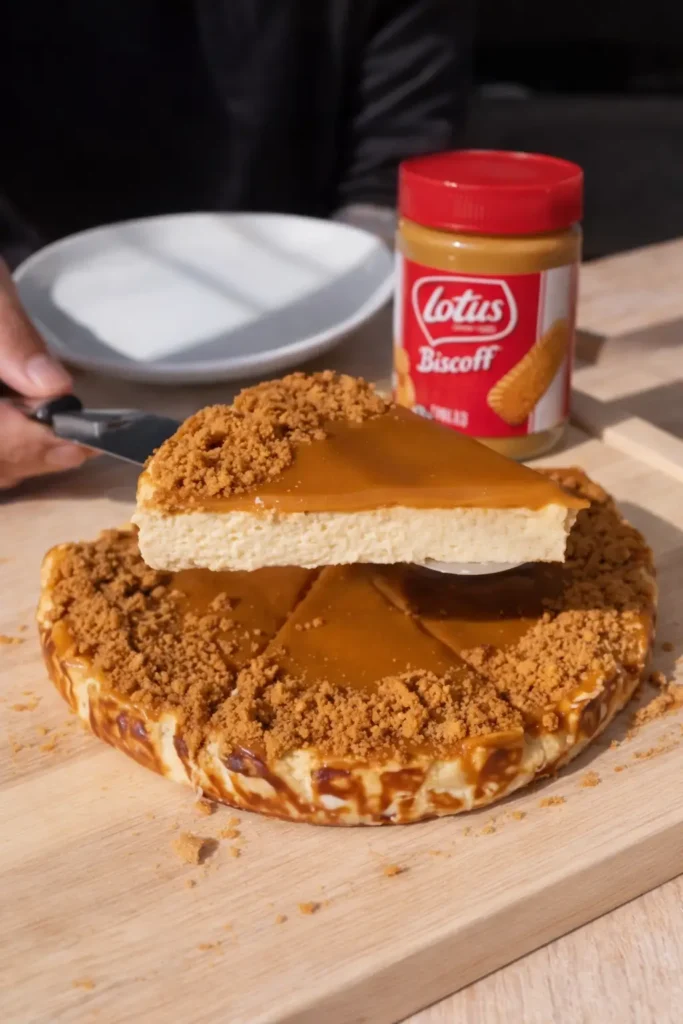
Trust me , this version tastes amazing, velvety texture, a glossy Biscoff topping, and just enough crumble on top for contrast.
Why You Will Love This Recipe
- High protein dessert with 17.5g protein per slice
- Only 190 calories per serving, making it macro-friendly
- Lower in fat and carbs compared to traditional cheesecake
- No complicated crust or water bath required
- Made with simple, accessible ingredients
- Perfect for meal prep and make-ahead desserts
- Satisfies sweet cravings without derailing progress
This recipe is ideal if you’re following a low calorie or high protein lifestyle.
While it’s not strictly keto due to the Biscoff and yogurt, it’s still relatively low in carbs at 12g carbs per serving, with balanced macros that make it easy to fit into your day.
Ingredients You Need
Light Cream Cheese (150g)
Provides the classic cheesecake base. Use reduced-fat cream cheese for lower calories, but avoid fat-free as it can turn watery.
Low Fat Greek Yogurt (400g)
Adds volume, protein, and creaminess. A vanilla-flavored yogurt works best for taste. If using plain, increase sweetener and vanilla slightly.
Egg (1)
Binds everything together. Do not skip this or the cheesecake won’t set properly.
Vanilla Extract (1 tsp)
Enhances overall flavor. Small but important.
Sweetener (15g stevia or preferred)
Adjust to taste. Different sweeteners vary in strength, so taste your batter before baking.
Biscoff Spread (1 tbsp + 2 tbsp for topping)
Adds that signature caramelized flavor. Do not overdo it in the batter or it will affect texture.
Low Fat Cottage Cheese (100g)
Boosts protein and creates a smoother texture when blended. Blend well to avoid lumps.
Protein Powder (1.5 servings)
Vanilla works best. This helps thicken the batter and adds protein. Avoid plant-based powders that don’t bake well unless tested.
Unsweetened Almond Milk (60ml)
Used for the topping to thin the Biscoff into a drizzle.
Biscoff Biscuits (3, crushed)
Optional topping for texture. Adds a slight crunch but also adds carbs.
Step-by-Step Directions
Preheat your oven to 160°C (320°F) and line a small baking dish or springform pan with parchment paper.
Blend the cottage cheese first until completely smooth. This step matters. If you skip it, your cheesecake may have a grainy texture.
In a large bowl, combine the cream cheese, Greek yogurt, blended cottage cheese, egg, vanilla extract, sweetener, protein powder, and 1 tablespoon Biscoff spread.
Mix until fully smooth and lump-free. The batter should be thick but pourable. If it feels too thick, add a small splash of almond milk.
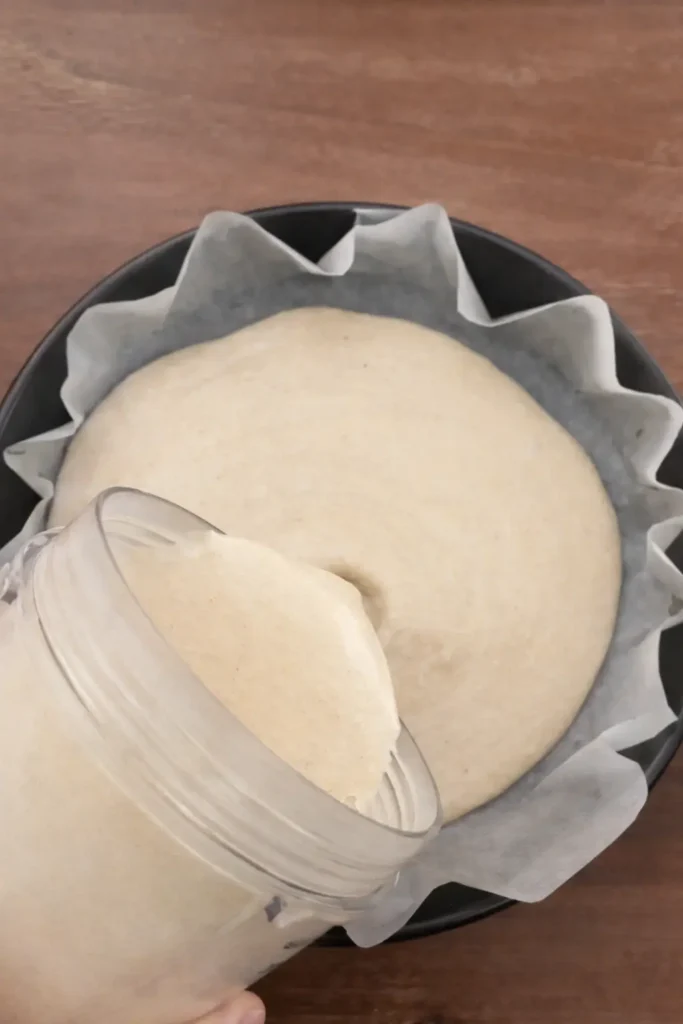
Pour the mixture into your prepared pan and smooth the top.
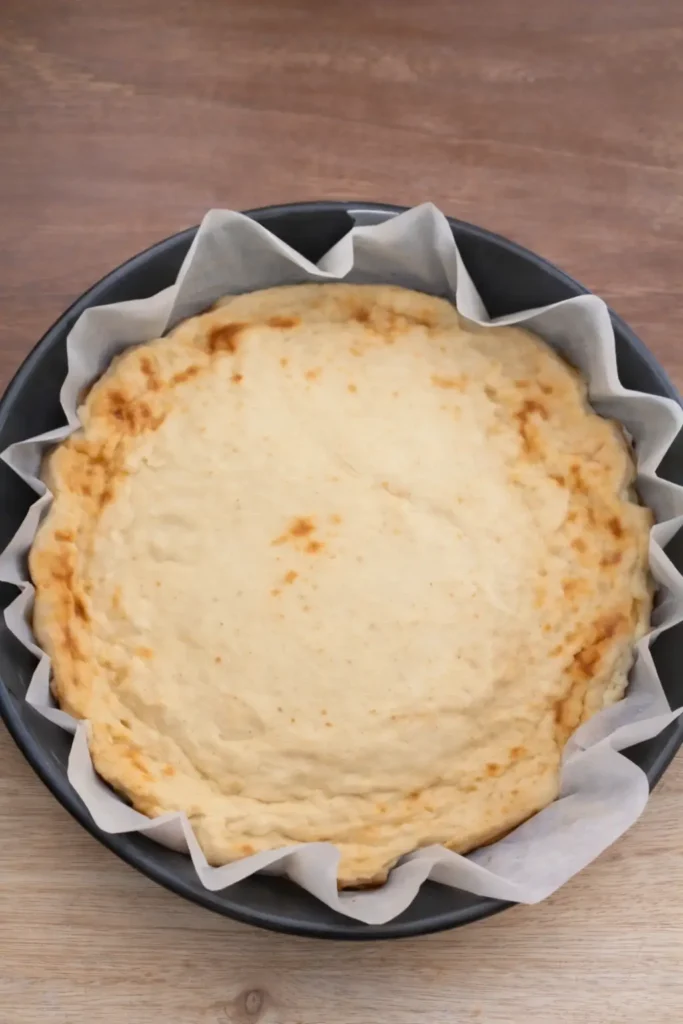
Bake for 30–40 minutes, or until the center is just set. It should still have a slight jiggle but not look wet.
Turn off the oven and let the cheesecake cool inside with the door slightly open. This prevents cracking.
Once cooled, refrigerate for at least 3–4 hours or overnight for best texture.
For the topping, gently heat the remaining Biscoff spread with almond milk until smooth and pourable.
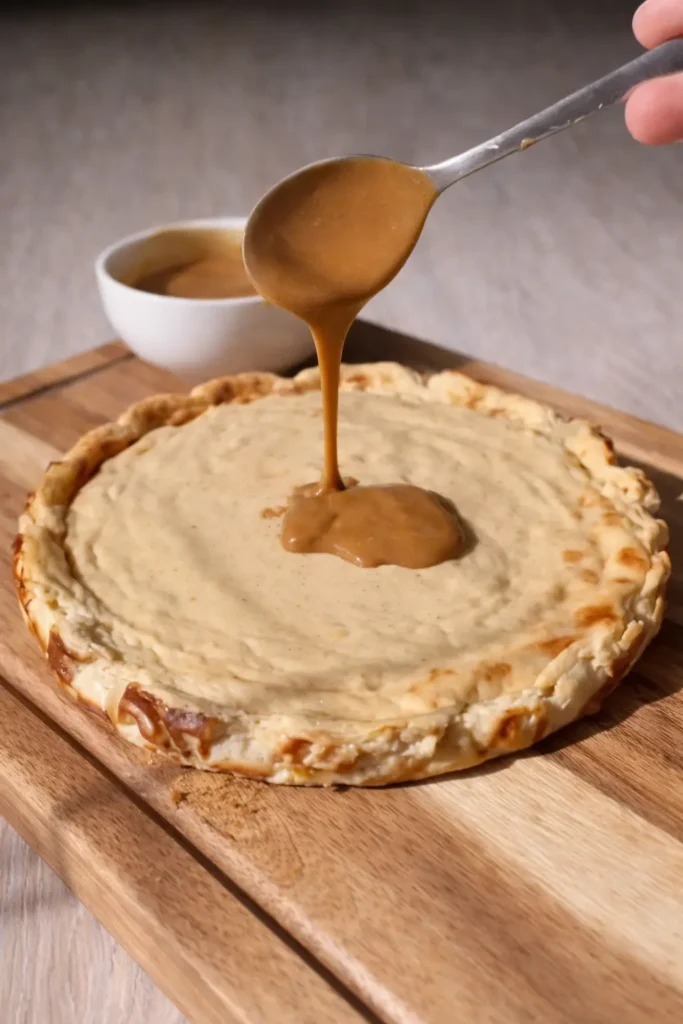
Spread or drizzle over the chilled cheesecake and sprinkle with crushed Biscoff biscuits.
Slice into 6 even portions and serve chilled.
Tips for Success
Blend the cottage cheese properly. I skipped this once and ended up with tiny lumps throughout. Not ideal.
Do not overbake. The center should be slightly soft. Overbaking leads to a dry texture.
Use a good quality protein powder. Some brands dry out baked goods.
Let it chill fully before slicing. Cutting too early will make it fall apart.
Be careful with extra Biscoff in the batter. Too much will make it oily and dense.
If your batter looks too thick, loosen it slightly. It should be thick but still spread easily.
Frequently Asked Questions
Can I make this cheesecake keto?
Not exactly. Biscoff spread and biscuits contain sugar, so this recipe is not strictly keto. However, it is still lower in carbs than traditional cheesecake.
How many net carbs are in each slice?
Each slice has about 12g total carbs. Net carbs will depend on your sweetener and protein powder, but typically fall slightly lower.
Can I substitute the protein powder?
You can, but it will change the texture. Protein powder helps firm up the cheesecake. Without it, the result will be softer and less structured.
How do I store this cheesecake?
Store in an airtight container in the fridge for up to 4 days. You can also freeze slices for up to 1 month. Thaw overnight in the fridge before eating.
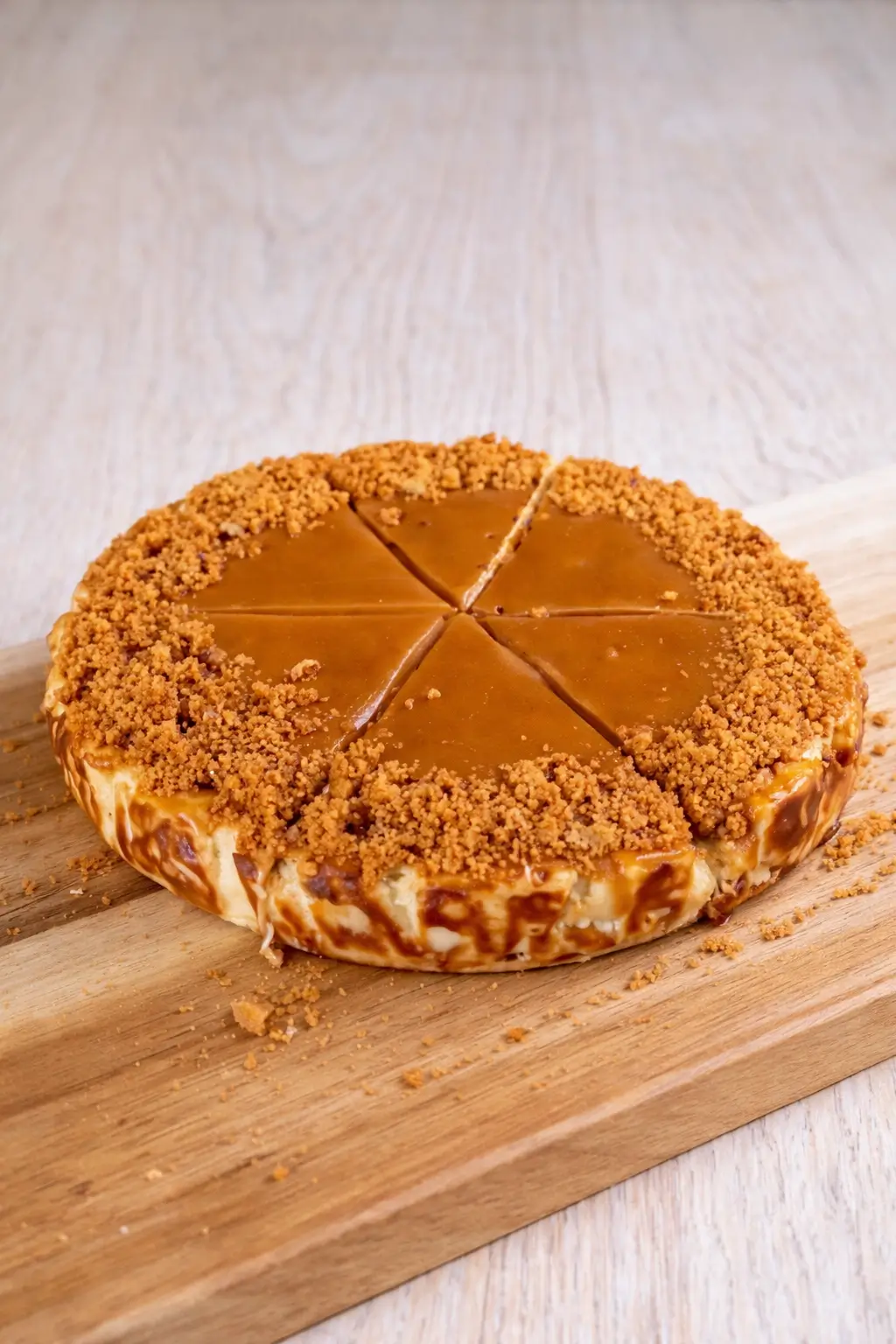
High Protein Biscoff Cheesecake
Ingredients
Method
- Preheat oven to 160°c and line pan.
- Blend cottage cheese until smooth.
- Mix all ingredients until smooth.
- Pour into lined pan and smooth the top.
- Bake for 30 to 40 minutes until just set.
- Cool in oven, then refrigerate for 3 to 4 hours.
- Mix toppingand spread over cheesecake.
- Crumble the biscuits and sprinkle on top.
- Slice and serve.
Notes
- Do not skip blending cottage cheese
- Do not overbake
- Chill fully before slicing
- Adjust sweetener to taste
- Calories: 190
- Carbs: 12g
- Fiber: 1g (approx.)
- Net Carbs: ~11g
- Protein: 17.5g
- Fat: 8g
Save This Recipe for Later
If you love macro-friendly desserts that actually taste like a treat, this one deserves a spot in your rotation. Save it, bookmark it, or email it to yourself so you always have a high protein dessert ready when cravings hit.
More yummy cheesecake recipe ideas

- Low Calorie Crispy Hashbrowns - April 7, 2026
- High Protein Cinnamon Sticks - March 20, 2026
- Strawberry Cheesecake Protein Ice Cream - March 20, 2026